Web Design
01 March 2026
The Real Cost of DIY Websites vs Professional Design
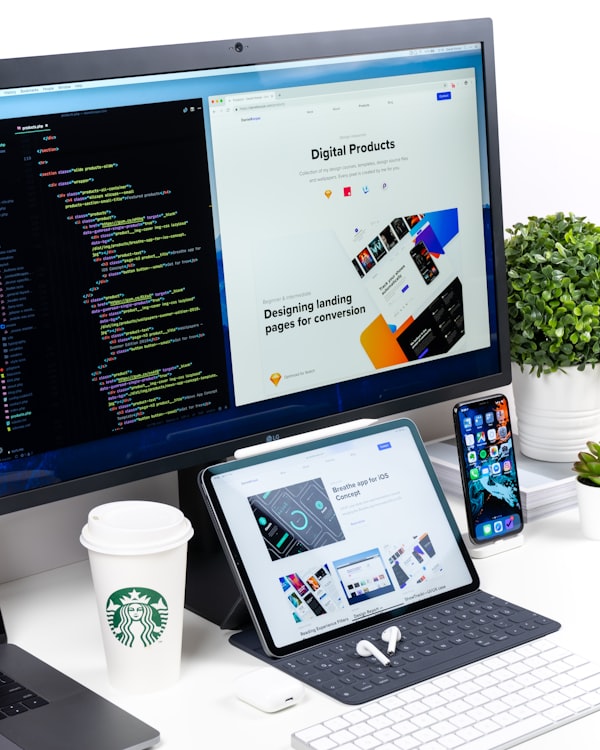
<p>Website builders like Wix, Squarespace, and WordPress.com make it easy for anyone to create a website. And for some businesses, they're a perfectly reasonable choice. But for many, the apparent savings come with hidden costs that add up quickly.</p>
<h2>The Upfront Numbers</h2>
<p>A DIY website builder typically costs between £10 and £40 per month. A professionally designed website might cost between £2,000 and £10,000 depending on complexity. On the surface, the DIY option seems like an obvious winner. But that comparison misses several critical factors.</p>
<h2>Hidden Costs of DIY</h2>
<h3>Your Time</h3>
<p>The most significant hidden cost is your own time. Most business owners spend 40 to 100 hours building their own website, time that could be spent on activities that directly generate revenue. If your time is worth £50 per hour (a conservative estimate for most business owners), that's £2,000 to £5,000 in opportunity cost before you've even launched.</p>
<h3>Lost Revenue from Poor Conversion</h3>
<p>A professionally designed website is built with conversion in mind. Every element, from the layout to the colour of the buttons, is chosen to guide visitors towards taking action. DIY websites rarely achieve the same conversion rates, which means you're leaving money on the table every single day.</p>
<h3>Template Limitations</h3>
<p>Website builders offer templates, but these templates are used by thousands of other businesses. Your site ends up looking generic rather than reflecting your unique brand. Customising a template beyond its intended design often creates more problems than it solves.</p>
<h3>SEO Gaps</h3>
<p>Professional web designers understand how to structure a site for search engines. This includes technical elements like page speed, schema markup, proper heading hierarchy, and mobile optimisation that most DIY builders either handle poorly or leave to the user.</p>
<h3>Ongoing Maintenance</h3>
<p>Websites require ongoing attention: security updates, content changes, performance monitoring, and compatibility fixes. With a DIY site, all of this falls on you. With a professional partner, it's handled as part of an ongoing relationship.</p>
<h2>When DIY Makes Sense</h2>
<p>To be fair, there are situations where a DIY website is the right choice:</p>
<ul>
<li>You're testing a new business idea and need a minimal web presence quickly</li>
<li>Your business doesn't rely heavily on its website for customer acquisition</li>
<li>You genuinely enjoy web design and have time to learn the necessary skills</li>
</ul>
<h2>When Professional Design Pays for Itself</h2>
<p>For most established businesses, a professional website is an investment that pays for itself many times over. If your website is a key part of how customers find and choose your business, the quality of that website directly impacts your bottom line.</p>
<p>Curious about what a professional website could do for your business? <a href="/contact" style="color: #FF6B35;">Let's have a conversation</a> about your goals and budget.</p>